Author: wpusername6121

  • Is Creatine Good for You? What the Research Actually Shows

    Is Creatine Good for You? What the Research Actually Shows

    If you have spent any time in a gym, a supplement aisle, or a fitness forum, you have probably asked the same question: is creatine good for you? It is one of the most searched supplement questions online, and for good reason — creatine has a reputation problem left over from decades-old myths, even though it is now one of the most studied supplements in sports nutrition.

    Short answer: Yes, creatine is good for you. For most healthy adults, creatine monohydrate is considered one of the safest and most well-researched supplements available. It is recognized as safe by the FDA, supports strength, muscle growth, and recovery, and may offer cognitive benefits too. It is not required for everyone, and a small group of people should talk to a doctor before starting it.

    Below, we break down what creatine actually does, what the research says about its benefits and safety, the side effects worth knowing about, who should be cautious, and how to use it correctly if you decide it is right for you.

    What Is Creatine, Exactly?

    Creatine is a compound your body makes naturally in the liver, kidneys, and pancreas from three amino acids: arginine, glycine, and methionine. It is stored mostly in skeletal muscle, where it helps regenerate ATP, the quick-access energy your muscles use during short, intense bursts of effort like sprinting or lifting.

    You already get some creatine from food, particularly red meat and fish, and your body produces the rest on its own. Supplementing simply raises your muscle creatine stores beyond what diet and natural production alone provide, which is why people who eat little or no meat, such as vegetarians and vegans, often notice a bigger response.

    Is Creatine Good for You? What the Research Shows

    Creatine monohydrate has one of the strongest safety and efficacy profiles of any dietary supplement on the market. In late 2020, the FDA classified creatine as Generally Recognized As Safe (GRAS), a designation backed by decades of clinical research. The International Society of Sports Nutrition has published a position stand affirming both its safety and its effectiveness for exercise, sport, and even certain medical applications.

    According to the Mayo Clinic, creatine is safe when taken as directed by most people, and it may particularly benefit athletes who rely on short bursts of speed or strength, such as sprinters, weightlifters, and team sport athletes. Harvard Health similarly confirms that a standard daily dose is safe for most people, and that creatine is not an anabolic steroid and does not increase testosterone, despite persistent myths to the contrary.

    Benefits of Creatine

    Creatine’s benefits go beyond bodybuilding. Research supports a range of effects across performance, recovery, and even brain health:

    • Strength and power: Creatine improves performance in short, high-intensity efforts like sprinting, jumping, and heavy lifting.
    • Muscle growth: When combined with resistance training, creatine supports greater gains in lean muscle mass over time.
    • Faster recovery: Many users experience improved recovery between hard training sessions.
    • Cognitive support: Emerging research points to potential benefits for brain function, especially after sleep deprivation or mental fatigue.
    • Healthy aging: In older adults, creatine paired with resistance training can help preserve strength and muscle mass, which naturally decline with age.
    • Extra benefit for vegetarians and vegans: People with lower baseline creatine stores from diet often see larger increases in muscle creatine and a bigger performance response.
    • Women’s health: According to Cedars-Sinai, emerging research suggests creatine may help support muscle preservation and physical function in women, including during perimenopause and menopause, particularly alongside strength training.

    If you are building a training plan around these benefits, our Training section covers how to structure strength workouts that pair well with creatine supplementation.

    Woman strength training with dumbbells, one of the main benefits creatine supports
    Strength training is where creatine’s benefits show up most clearly in the research.

    Is Creatine Safe? Debunking the Big Fears

    Most of the hesitation around creatine comes from myths that have circulated for decades, not from current evidence. Here is what the research actually shows:

    • “Creatine damages your kidneys.” Large reviews show no increased risk of kidney or liver damage in healthy adults using recommended doses. According to UCLA Health, studies have found that long-term creatine use does not harm kidney function in healthy people. People with existing kidney disease are the exception and should consult a doctor first.
    • “Creatine is a steroid.” It is not. Creatine is a naturally occurring compound your body already produces, not a hormone or anabolic steroid, and it does not raise testosterone levels.
    • “Creatine causes dehydration and cramping.” Current research does not support an increased risk of dehydration or muscle cramping when you stay properly hydrated.
    • “Creatine turns into fat.” The early weight increase some people notice is water stored in muscle tissue, not fat gain.

    Creatine Side Effects You Might Actually Notice

    Creatine is well tolerated by most people, but it is not completely side-effect free. The most commonly reported effects are mild and usually temporary:

    • Temporary water weight gain of roughly 1 to 5 pounds as muscles store more water
    • Bloating or mild stomach discomfort, especially with larger single doses
    • Occasional headaches when first starting
    • Diarrhea or GI upset, which is far more common when people exceed the recommended dose in a single serving

    Most of these side effects are dose-related. Sticking to the standard 3 to 5 gram daily dose, rather than the older high-dose “loading” protocols, tends to minimize them significantly.

    Who Should Avoid Creatine or Talk to a Doctor First

    Creatine is not necessary or appropriate for everyone. You should check with a healthcare provider before starting creatine if any of the following apply to you:

    • You have kidney disease or a history of kidney problems
    • You have liver disease
    • You have uncontrolled high blood pressure or heart failure
    • You are pregnant or breastfeeding
    • You are under 18 — most medical organizations, including the American Academy of Pediatrics, advise against creatine use in minors
    • You take medications that affect kidney function
    • You have bipolar disorder, since creatine may increase the risk of mania in this group

    If none of these apply to you, creatine monohydrate is generally considered safe to try. If any of them do, a quick conversation with your doctor is the right first step, not a reason to rule it out automatically.

    How Much Creatine Should You Take?

    The standard, research-backed dose is 3 to 5 grams of creatine monohydrate per day. This is typically taken as a single daily maintenance dose, with no need to cycle on and off.

    • No-loading approach: Take 3 to 5 grams daily from day one. It takes a few weeks longer to fully saturate your muscles, but it causes fewer digestive side effects.
    • Loading approach: Take around 20 grams per day, split into smaller doses, for 5 to 7 days, then drop to a 3 to 5 gram daily maintenance dose. This saturates muscle stores faster but increases the odds of stomach upset.
    • More is not better: Your muscles can only store a limited amount of creatine. Taking more than the recommended dose does not improve results and simply increases the chance of side effects.

    Creatine monohydrate is the most researched and most cost-effective form. Other forms on the market have not been shown to outperform it.

    When Is the Best Time to Take Creatine?

    Timing matters far less than consistency. Since creatine works by gradually saturating your muscle stores over time, taking it at roughly the same time each day is more important than taking it at a specific time. Some research suggests a slight edge to taking creatine close to your workout, ideally alongside a source of carbohydrate or protein, but the difference is small. The best time to take creatine is whichever time you will actually remember every day.

    Common Creatine Myths, Debunked

    • Myth: You need to cycle off creatine periodically. Reality: There is no research-backed reason to cycle off; daily maintenance dosing is well supported long term.
    • Myth: Creatine is only for bodybuilders. Reality: Research now covers general strength training, older adults, and even women’s health and cognitive performance.
    • Myth: Creatine causes hair loss. Reality: The evidence linking creatine to hair loss is extremely limited and comes from a single small study measuring a hormone precursor, not actual hair loss. A more recent 12-week randomized controlled trial found no meaningful difference in hair health between creatine and placebo groups.

    Is Creatine Good for You? The Bottom Line

    For most healthy adults, creatine is good for you. It is backed by more research than almost any other sports supplement, carries a strong long-term safety record, and offers real benefits for strength, muscle growth, recovery, and possibly brain health. It will not replace consistent training and solid nutrition, but as a low-cost addition to a routine that already includes both, it is one of the few supplements with evidence to back up the hype.

    As with any supplement, this article is for general information and is not medical advice. If you have a health condition or take medication, talk to your doctor before adding creatine to your routine. For more on building the training and nutrition habits that creatine supports, visit our Nutrition section and Training section.

    FAQs About Creatine

    Does creatine damage your kidneys?

    No. Large reviews show no increased risk of kidney damage in healthy adults taking recommended doses. People with existing kidney disease should still consult a doctor before use.

    Does creatine cause weight gain?

    It can cause an initial 1 to 5 pound increase from water stored in muscle, not fat. Over time, any additional weight typically reflects muscle growth rather than fat gain.

    Is creatine safe for women?

    Yes. Research supports its safety and effectiveness in women, and emerging studies suggest it may help preserve muscle and physical function during perimenopause and menopause.

    Can teenagers take creatine?

    Most medical organizations, including the American Academy of Pediatrics, advise against creatine use in people under 18 due to limited research in this age group.

    Do you need to cycle off creatine?

    No. There is no strong evidence that cycling off creatine provides any benefit. A consistent daily maintenance dose is well supported for long-term use.

    Does creatine cause hair loss?

    The evidence is very limited, based on a single small study that measured a hormone precursor rather than actual hair loss. No strong causal link has been established.

  • How to Start a Fitness Routine: A Beginner’s Guide to Building a Workout Habit That Sticks

    If you are trying to figure out how to start a fitness routine, you do not need a perfect plan. You need a simple one you can follow even when life gets busy. That is the difference between a routine that looks good on paper and one you actually stick with.

    As a beginner, it is easy to overthink everything. You may wonder how often to work out, whether you should do cardio or weights, how long each session should be, or what kind of results you should expect. The good news is that you can make real progress without training every day or doing advanced workouts.

    This guide will show you how to start a fitness routine in a realistic way, build consistency, avoid common beginner mistakes, and create a workout habit that fits your life.

    Why Most Beginners Quit Too Early

    Most people do not fail because they are lazy. They fail because they start with too much. You might go from doing very little to trying to train six days a week, clean up your diet overnight, and stay motivated forever. That usually does not last.

    If you are new to exercise, your first goal is not to maximize results in week one. Your first goal is to build a routine you can repeat. According to the physical activity guidelines for adults, consistency matters far more than random bursts of effort.

    Start With One Clear Goal

    Before you choose workouts, decide what you want your routine to do for you. A clear goal helps you stay focused and keeps your plan simple.

    • Do you want to lose body fat?
    • Do you want to build muscle?
    • Do you want more energy?
    • Do you want to improve your health?
    • Do you want to feel more confident in the gym?

    Pick one main goal for the next 8 to 12 weeks. You can still enjoy other benefits, but one clear target makes it easier to choose the right workouts, recovery habits, and nutrition basics.

    How Often Should You Work Out as a Beginner?

    If you are wondering how to start working out, begin with less than you think you need. For most beginners, 2 to 3 strength workouts per week is enough to build momentum and see progress.

    • 2 to 3 full-body strength workouts per week
    • 1 to 3 light cardio sessions per week
    • Daily walking when possible
    • 1 to 2 full rest days each week

    This gives you structure without making fitness feel overwhelming. If you want more ideas for building your weekly plan, visit the Training section.

    The Best Beginner Fitness Routine Is Usually Full Body

    As a beginner, you do not need a complicated split routine. A full-body plan is often the best way to start because it helps you practice the basics, recover well, and train each major muscle group regularly.

    Your workouts can revolve around a few simple movement patterns:

    • Squat pattern like bodyweight squats or goblet squats
    • Hip hinge pattern like glute bridges or Romanian deadlifts
    • Push pattern like push-ups or dumbbell presses
    • Pull pattern like rows or assisted pulldowns
    • Core work like planks, dead bugs, or carries
    • Easy cardio like brisk walking, cycling, or incline treadmill work

    If you are unsure about exercise form, the beginner exercise advice from the NHS is a helpful place to start.

    A Simple Weekly Workout Plan You Can Actually Follow

    If you want a practical answer to how to start a fitness routine, use a weekly structure like this:

    • Monday: Full-body strength workout
    • Tuesday: 20 to 30 minute walk
    • Wednesday: Full-body strength workout
    • Thursday: Rest or light mobility
    • Friday: Full-body strength workout
    • Saturday: Easy cardio or a fun physical activity
    • Sunday: Rest

    This works because it is balanced. You train enough to improve, but you also leave room for recovery, work, family, and real life.

    Keep Your First Workouts Short and Simple

    You do not need long workouts to get started. In fact, shorter sessions are often better in the beginning because they are easier to repeat. Aim for 30 to 45 minutes per session.

    Your first few weeks should feel manageable. Leave each workout knowing you could do a little more. That approach helps you build confidence instead of dread.

    Do Not Ignore Recovery and Nutrition

    Many beginner guides focus only on workouts, but recovery is one of the biggest missing pieces. If you want your routine to last, you need to recover well enough to keep showing up.

    • Sleep 7 to 9 hours when possible
    • Eat enough protein for your goal
    • Stay hydrated
    • Take rest days seriously
    • Do not confuse exhaustion with progress

    If you want a simple breakdown of healthy eating basics, the MyPlate healthy eating guide is easy to understand. You can also explore the Nutrition section for more practical advice.

    How to Stay Consistent When Motivation Drops

    You will not feel motivated every day. That is normal. The key is to make your routine easy enough to continue even on low-energy days.

    • Schedule workouts in your calendar
    • Choose a gym close to home or work
    • Lay out your clothes the night before
    • Keep a simple workout log
    • Have a backup home workout ready
    • Set a minimum goal like a 10-minute walk or one exercise for 3 sets

    Research on building healthy habits that last shows that small, repeatable actions are easier to maintain than dramatic changes.

    Track Progress in More Than One Way

    If your only progress marker is the scale, you may miss signs that your fitness routine is working. Especially at the beginning, progress often shows up in other ways first.

    • Better energy
    • Improved mood
    • Better sleep
    • More strength
    • Better endurance
    • More consistent workouts
    • Clothes fitting differently

    For a broader view of recovery, stress, and daily health habits, check out the Wellness section. You can also review the American Heart Association’s tips for getting active if you want another beginner-friendly resource.

    Common Beginner Fitness Mistakes to Avoid

    • Starting with too many workout days
    • Copying advanced routines from experienced lifters
    • Changing your plan every week
    • Ignoring sleep and recovery
    • Trying to train hard while eating too little
    • Relying on motivation instead of routine
    • Quitting after one inconsistent week

    What Most Articles Miss About Starting a Fitness Routine

    A lot of articles tell you what exercises to do, but they do not spend enough time on what actually helps beginners stick with a routine. The missing pieces are usually:

    • Making your plan realistic for busy weeks
    • Building a backup option for low-motivation days
    • Keeping workouts short enough to repeat
    • Tracking non-scale progress
    • Understanding that consistency matters more than intensity at first

    That is why the best beginner workout routine is not the hardest one. It is the one you can keep doing next week, next month, and beyond.

    Final Takeaway

    If you want to know how to start a fitness routine, start small, stay realistic, and focus on repetition over perfection. You do not need to do everything at once. You just need a plan that fits your life and gives you a reason to keep going.

    The best time to build your routine is now. Keep it simple, keep it consistent, and let progress build from there.

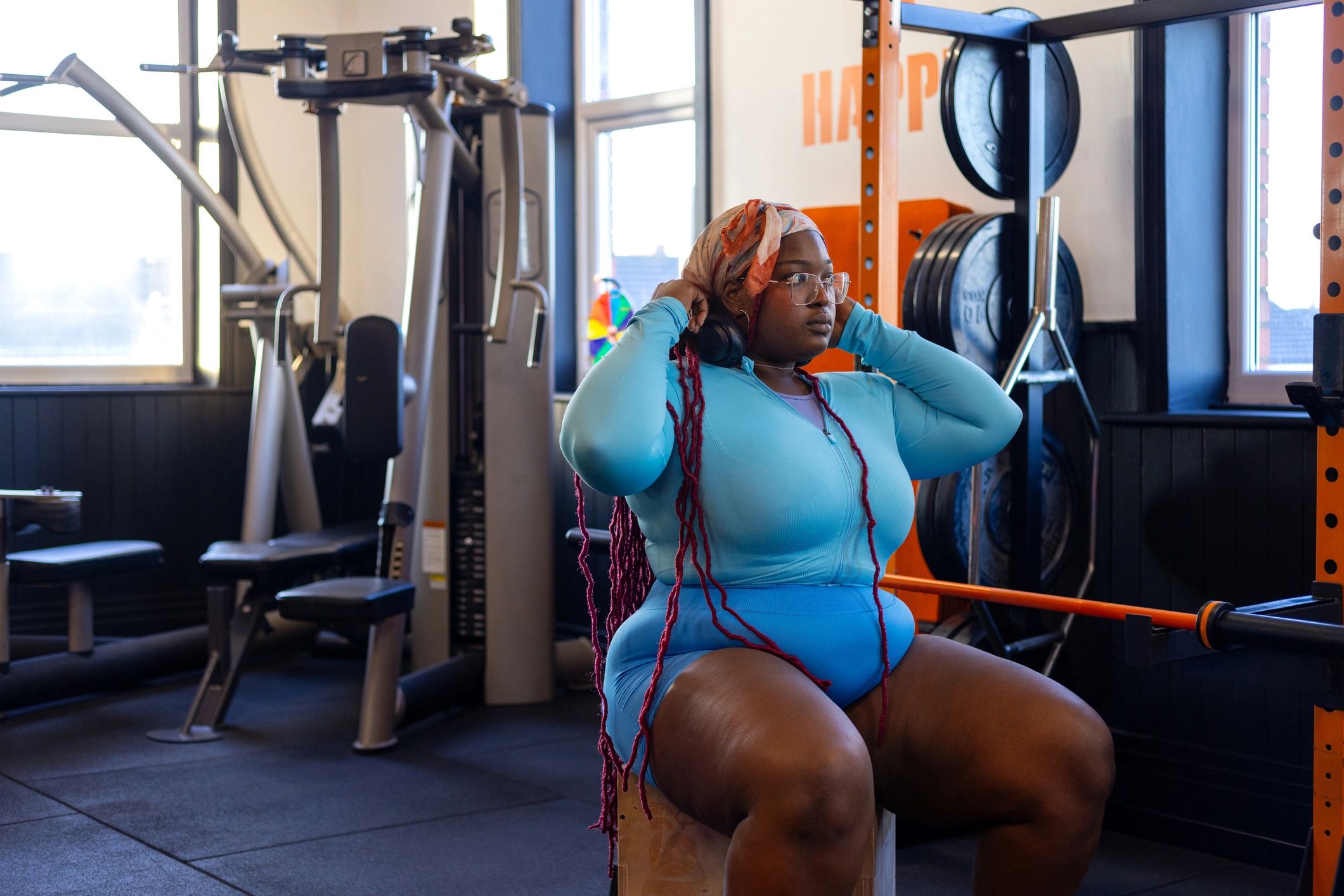
    Consistency beats intensity when you are building a routine that lasts.

    FAQs

    How many days should you start with?

    Usually 2 to 3 days per week is enough.

    Should you do cardio or weights first?

    Prioritize the one that best matches your main goal.

    Can you start at home?

    Yes, a home routine can work very well.

    How sore is too sore?

    If soreness changes how you move, back off and recover.

    Do you need supplements?

    No, they are optional and not required to begin.

    What if you miss a week?

    Restart simply and avoid trying to make up for it.

    When should you change your routine?

    Usually after several weeks of steady practice and progress.

  • How to Lose Weight in a Healthy and Sustainable Way

    How to Lose Weight in a Healthy and Sustainable Way

    If you are looking for practical ways to lose weight in a healthy and sustainable way, the best approach is usually the simplest one. In a crowded health and fitness space, the fundamentals still matter most: a calorie deficit, enough protein, regular exercise, quality sleep, and habits you can maintain long term.

    For beginners, serious lifters, and general fitness readers alike, the goal is not just to lose weight fast. It is to lose body fat while protecting muscle, energy, performance, and consistency. That is what makes a healthy weight-loss approach more realistic and more sustainable.

    What healthy weight loss really means

    Healthy weight loss happens when you consistently use more energy than you take in. This is called a calorie deficit. Research continues to support this as the core driver of fat loss, but the way you create that deficit matters. The best plan is not the most extreme one. It is the one you can follow long enough to get results and keep them. Guidance from the National Institute of Diabetes and Digestive and Kidney Diseases reinforces the value of safe, realistic, and sustainable weight-loss habits.

    A sustainable weight-loss plan should help you:

    • Lose fat at a realistic pace
    • Keep as much lean mass as possible
    • Manage hunger and energy
    • Support training performance and recovery
    • Build habits that still work after the diet ends

    How much weight can you lose safely

    For most people, a practical target is about 0.5 to 1 percent of body weight per week. That is often fast enough to stay motivated while reducing the risk of excessive fatigue, muscle loss, and rebound eating. If you are already lean, progress may need to be slower. If you have more weight to lose, the early rate may be a little faster.

    According to the CDC guidance on losing weight, gradual weight loss of 1 to 2 pounds per week is a realistic target for many adults. The National Heart, Lung, and Blood Institute also supports a steady, structured approach instead of rapid crash dieting.

    Nutrition does most of the work

    Exercise helps with weight loss, but nutrition usually drives the biggest share of progress. You do not need a perfect diet. You need a repeatable structure that helps you stay in a manageable calorie deficit without feeling miserable.

    • Prioritize protein: Higher-protein diets can help preserve lean mass and improve fullness during a calorie deficit. Good options include Greek yogurt, eggs, chicken, fish, tofu, beans, and lean beef.
    • Center meals around minimally processed foods: Fruit, vegetables, potatoes, oats, rice, legumes, and lean proteins usually make it easier to control calories while staying satisfied.
    • Watch liquid calories: Sugary drinks, alcohol, and high-calorie coffee orders can quietly erase a calorie deficit.
    • Keep portions honest: Healthy foods still count if portions keep expanding.
    • Use consistency over complexity: A few simple meals you can repeat often beat a complicated plan you quit in ten days.

    A joint position statement from the Academy of Nutrition and Dietetics, Dietitians of Canada, and the American College of Sports Medicine supports a balanced strategy that combines calorie control, physical activity, and behavior change for long-term weight management.

    Why protein matters during fat loss

    One of the biggest mistakes people make during fat loss is eating too little protein. When calories are lower, protein becomes even more important for muscle retention, recovery, and appetite control. This matters for casual exercisers, but it matters even more for lifters who want to keep strength and physique progress while leaning out.

    A useful practical target is to include a quality protein source at each meal and snack. That simple habit can improve fullness and make your diet easier to sustain. Research on protein intake and body composition also supports higher protein intake during fat loss phases.

    Exercise helps you keep muscle

    If your goal is better body composition, not just a lower scale number, strength training should stay in the plan. Resistance training helps preserve lean mass during weight loss and gives your body a reason to keep the muscle you have built. You can explore more beginner-friendly lifting guidance in our Training section.

    • Lift weights regularly: Two to four quality sessions per week is a strong starting point for many people.
    • Keep daily movement high: Walking is one of the most effective low-stress tools for increasing energy expenditure.
    • Add cardio strategically: Cardio can support heart health and calorie burn, but it should not replace strength work if muscle retention matters to you.
    • Do not try to out-train overeating: Most people can erase a workout with a few untracked extras.

    For broader activity benchmarks, the World Health Organization physical activity guidelines recommend regular movement and less sedentary time for better long-term health.

    Sleep and stress affect weight loss

    Poor sleep and high stress can make weight loss harder by increasing hunger, reducing training quality, and making routine decisions feel harder to manage. You do not need a perfect recovery routine, but you should treat sleep as part of the plan, not as an afterthought. If recovery is a weak point, our Wellness section can help you build better habits around sleep, stress, and consistency.

    • Aim for a consistent sleep schedule
    • Keep meal timing predictable if late-night snacking is a problem
    • Use steps, training, and meal prep to create structure during busy weeks
    • Expect some scale fluctuation from stress, sodium, and sleep changes

    Common weight-loss mistakes

    • Cutting calories too aggressively
    • Ignoring protein intake
    • Dropping strength training
    • Relying on motivation instead of routine
    • Judging progress only by day-to-day scale changes
    • Choosing a plan that does not fit your real life

    Short-term extremes can produce short-term results, but they often increase burnout and regain risk. In most cases, slower and steadier wins.

    Simple habits that support sustainable weight loss

    • Plan meals before you get overly hungry
    • Keep high-protein staples at home
    • Build most meals around protein, produce, and a smart carb source
    • Track progress with body weight, waist measurements, photos, and gym performance
    • Set a daily step goal you can realistically hit

    Final thoughts on losing weight sustainably

    If you want to lose weight and keep it off, focus on habits that support your life instead of taking it over. A manageable calorie deficit, enough protein, regular strength training, more daily movement, and better recovery will outperform most extreme plans over time. The best fat-loss strategy is not the one that looks hardest. It is the one you can follow consistently.

    The most effective weight-loss plan is the one you can still follow next month.

    For more practical fitness guidance, explore our strength training articles, nutrition resources, and wellness content on Stronger Standard.